
Understanding Parental Alienation and Its Effects on Children
6/11/2026
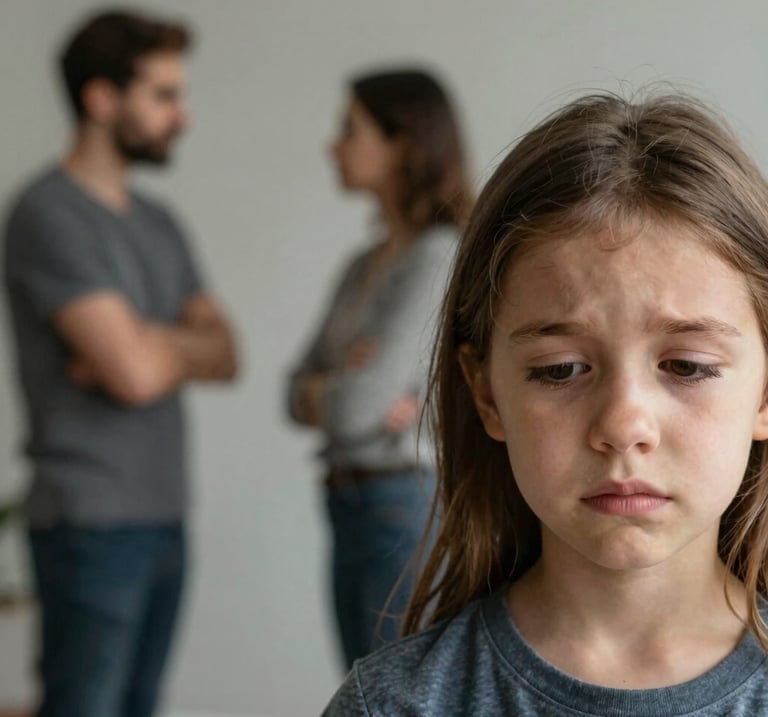
Separation and divorce can be difficult for any family, but children are especially vulnerable when parental conflict becomes ongoing. One issue that can arise in high-conflict family situations is parental alienation—a pattern in which a child is influenced to reject, fear, or distance themselves from one parent without a legitimate reason.
Parental alienation often develops gradually. A child may hear repeated negative comments about one parent or feel pressure to align with the other parent's perspective. Over time, this can affect how the child views and interacts with the targeted parent.
Some common signs of parental alienation include:
A child expressing strong hostility toward one parent without a clear reason
Repeated negative comments about a parent that seem influenced by the other parent
Resistance to spending time with one parent despite a previously positive relationship
Feelings of guilt or anxiety when showing affection toward the targeted parent
While every family situation is unique, research suggests that parental alienation can have a significant impact on a child's emotional well-being. Children often feel caught in the middle of adult conflicts and may struggle to reconcile their own experiences with the messages they are receiving.
As a result, children may experience:
Anxiety, stress, or depression
Low self-esteem and feelings of insecurity
Confusion about family relationships
Difficulty trusting others or expressing emotions
The effects are not always limited to childhood. Studies have found that parental alienation can influence a child's development well into adulthood. When a healthy relationship with a parent is disrupted, children may lose an important source of emotional support, guidance, and stability.
Long-term consequences can include challenges with:
Forming and maintaining healthy relationships
Managing conflict and communication
Developing a secure sense of identity and self-worth
Coping with unresolved feelings of loss, anger, or grief
Experts emphasize that children benefit most when they are protected from parental disputes and allowed to maintain healthy relationships with both parents whenever it is safe to do so. Encouraging respectful co-parenting, open communication, and child-focused decision-making can help reduce the harmful effects of family conflict.
Parental alienation is more than a disagreement between parents—it is an issue that can affect a child's emotional health, family connections, and future relationships. By recognizing the signs and prioritizing the child's best interests, families can take important steps toward fostering a healthier and more supportive environment for children.
Sources:
Child Rights NGO – The Impact of Parental Alienation on Children (primary source)
Psychology Today – Parental Alienation
Psychology Today – The Devastating Effects of Parental Alienation
Springer Nature – Long-term Emotional Consequences of Parental Alienation Exposure in Children of Divorced Parents: A Systematic Review
Connect
Join us to celebrate father-son connections worldwide.
contact
Grow
info@agoodfather.org
© 2026. All rights reserved.